The EU AI Act Delay Buys Time, Not Cover
Extended EU AI Act deadlines and product-safety carve-outs shift industrial AI risk onto existing machinery and quality regimes, not away from scrutiny.
Extended EU AI Act deadlines and product-safety carve-outs shift industrial AI risk onto existing machinery and quality regimes, not away from scrutiny.
Industrial operators are deploying AI hazard detection to cover a labor shortage, but the human judgment needed for the unmodeled event is eroding faster than the AI's competence grows.
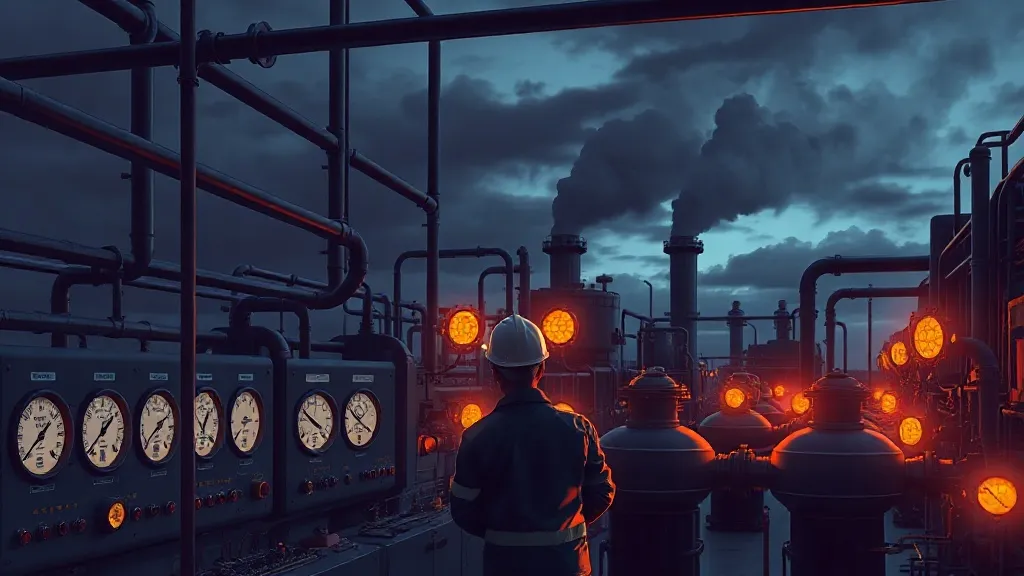
Refiners and manufacturers are putting AI inside safety-critical decisions, but the verification standards built for deterministic control were never designed for it.
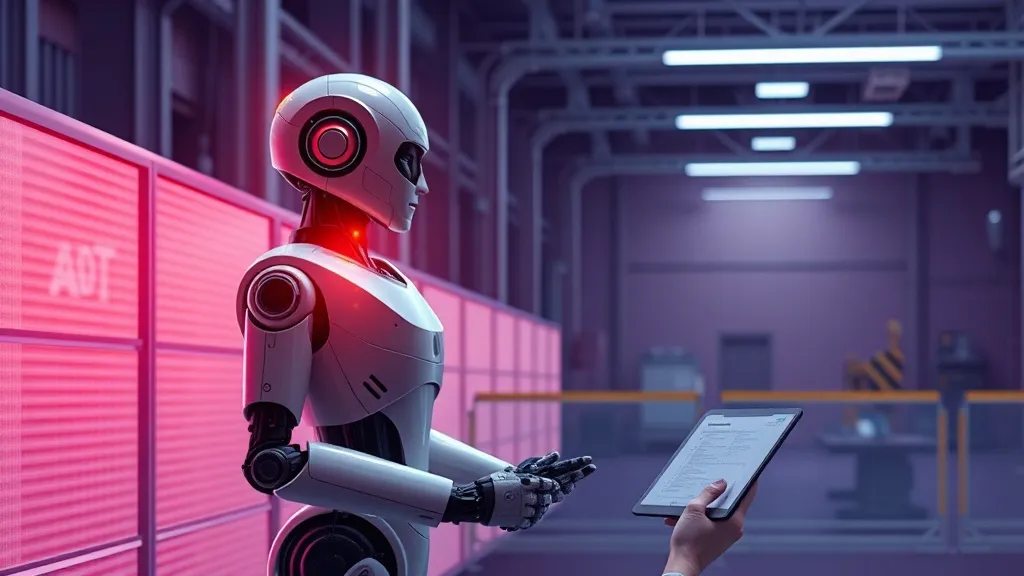
Cooperative safety certification, not AI capability, is now the gating factor for deploying humanoid robots and automation on industrial floors.
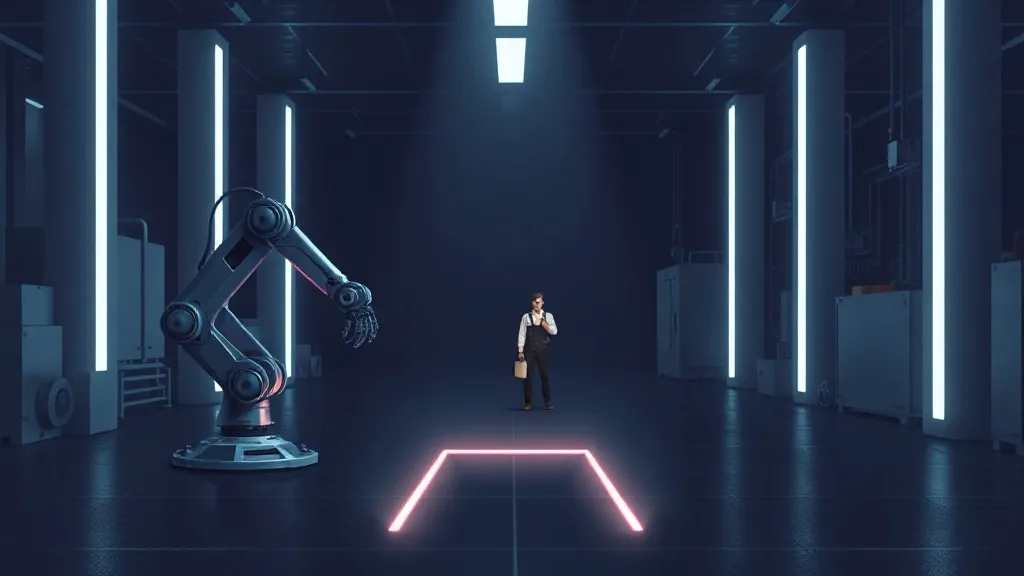
EU AI Act delays and carve-outs for industrial AI are widening the gap between regulatory relief and unresolved physical-world safety science.
Extended deadlines and narrower scope for industrial AI under the EU AI Act shift compliance obligations onto existing safety and quality frameworks rather than removing them.
As AI systems actuate breakers and throttle industrial assets, buyers need a certifiable override standard, not a vendor's proprietary trust claim.
Capital markets are pricing autonomous-machine safety infrastructure before regulators have defined what a defensible hazard dataset looks like.
Gigawatt-scale AI data center power deals are outrunning both utility interconnection and AI safety regulation, leaving operators to self-govern autonomous grid control.
As AI-based safety monitoring scales across industrial sites, the surveillance systems themselves are becoming a governance and cybersecurity liability, not just a sensor purchase.